



Utility bill vs. Vivint Solar bill
Depending on the type of agreement you signed, you may get a Vivint Solar bill and a utility bill, or you may just get a utility bill. The following article explains the differences between utility billing and Vivint Solar billing.
It’s likely that you’ll always get a utility bill because your home will always be connected to the utility grid. Think of it like this: the solar panels produce energy during the day and that energy feeds into your house. Any excess solar energy you don't use flows back into the utility grid. At night, the solar panels don't produce energy, but you still need to be connected to the utility grid so that your home receives power for the things it needs, like lights, heating/air, appliances, etc. You will always receive a bill from your utility company because you will always need electricity to power your home during times such as when the sun doesn’t shine.
Here are a few things you can do to help you understand the difference between the two bills.
Understand your solar agreement and how it impacts your bill
There are 4 types of Vivint Solar agreements:
- Solar Cash Purchase Agreement: where you purchase a Vivint Solar system from us outright.
- Solar Power Purchase Agreement (PPA): where you pay for the power your Vivint Solar system produces.
- Solar Loan Agreement: where you work with a trusted lender to pay for the Vivint Solar system over time.
- Solar Lease Agreement: where you lease the Vivint Solar system from us and make a fixed monthly payment over time.
Before we can explain how Vivint Solar billing works for each agreement type, we first need to know which type of agreement you have. Your billing structure is based on your agreement type. In order for you to understand the billing structure, it’s important you understand your agreement.
If you already know which type of agreement you have, you can skip this section. If you don’t know which type of agreement you have, here’s how to find out.
 3. Click “Documents”
 4. Click “Agreement”
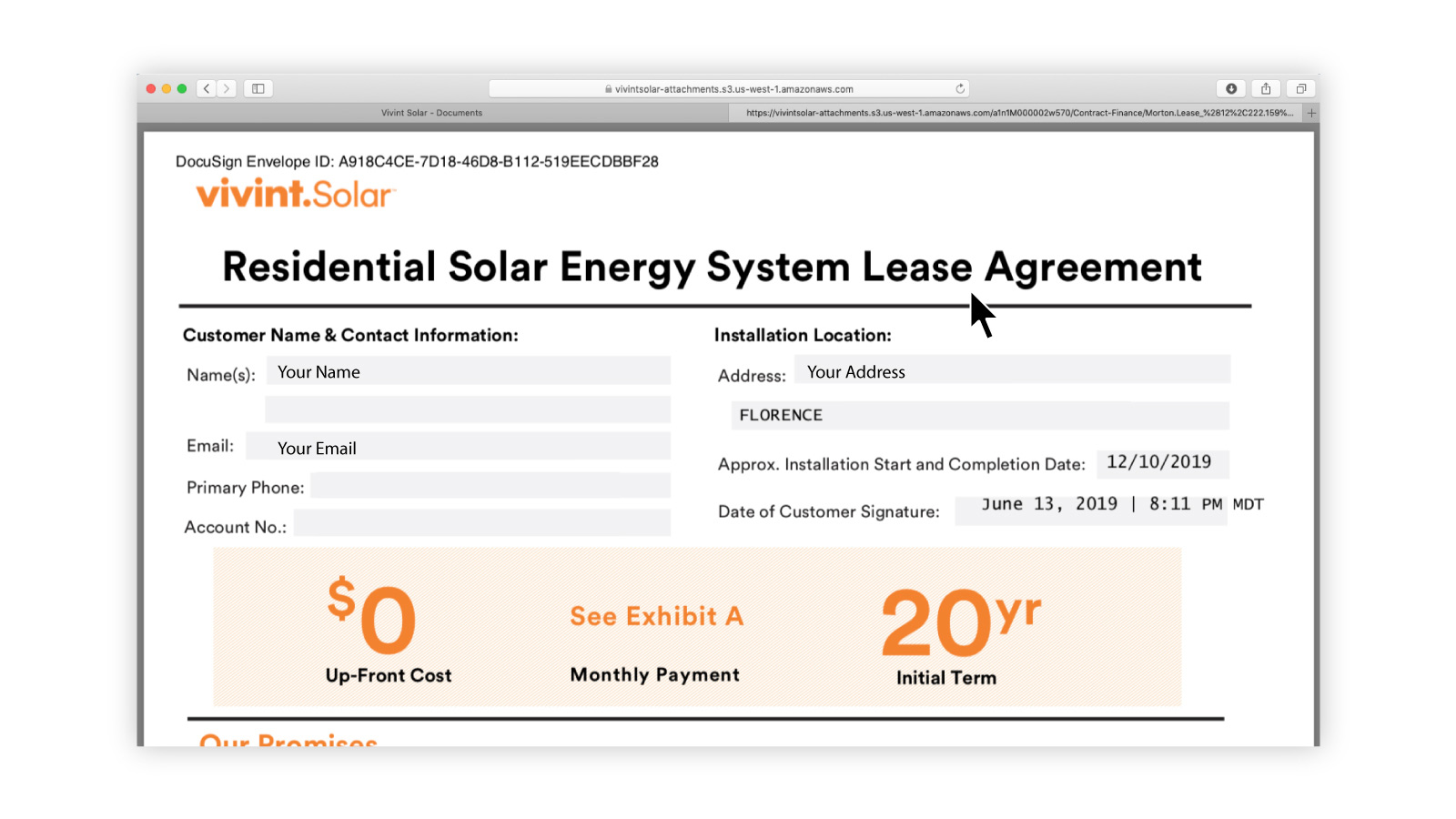
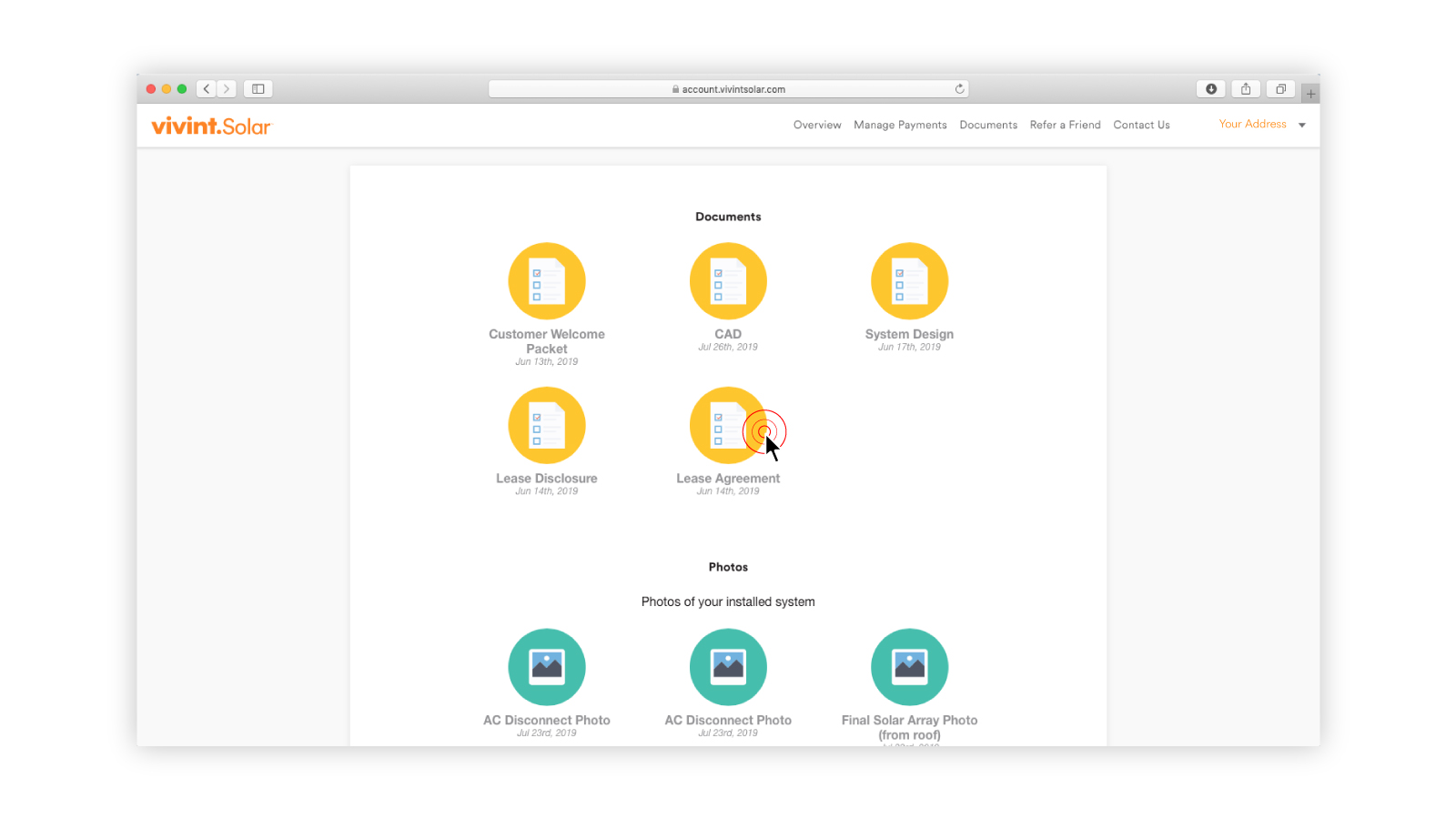 5. Look at the top of your agreement. That’s where you’ll see which type of agreement you signed.
For more information, check out "Accessing and using Account Center" or "Downloading and using the Vivint Solar App".
Now that we know which agreement you have, let's look at each agreement, so you have a clearer idea of how they work. Again, if you already know how your agreement works, you can just skip this part.
Keep in mind that agreement options are based on the area in which you live. You may live in an area where we can offer you a lot of agreement options, or you may live in an area where we can only offer you one agreement option. For a breakdown of the agreements offered in your area, check out Solar Across the Country.
Here’s a quick breakdown of the different agreement types and how they work.
Understanding Net Metering
It’s likely that you’ll always get a utility bill because your home will always be connected to the utility grid. Think of it like this: the solar panels produce energy during the day and that energy feeds into your house. Any excess solar energy you don't use flows back into the utility grid. At night, the solar panels don't produce energy, but you still need to be connected to the utility grid so that your home receives power for the things it needs, like lights, heating/air, appliances, etc. You will always receive a bill from your utility company because you will always need electricity to power your home during times such as when the sun doesn’t shine.
Here are a few things you can do to help you understand the difference between the two bills.
Understand your solar agreement and how it impacts your bill
There are 4 types of Vivint Solar agreements:
- Solar Cash Purchase Agreement: where you purchase a Vivint Solar system from us outright.
- Solar Power Purchase Agreement (PPA): where you pay for the power your Vivint Solar system produces.
- Solar Loan Agreement: where you work with a trusted lender to pay for the Vivint Solar system over time.
- Solar Lease Agreement: where you lease the Vivint Solar system from us and make a fixed monthly payment over time.
Before we can explain how Vivint Solar billing works for each agreement type, we first need to know which type of agreement you have. Your billing structure is based on your agreement type. In order for you to understand the billing structure, it’s important you understand your agreement.
If you already know which type of agreement you have, you can skip this section. If you don’t know which type of agreement you have, here’s how to find out.
Locate your agreement
- Go to account.vivintsolar.com
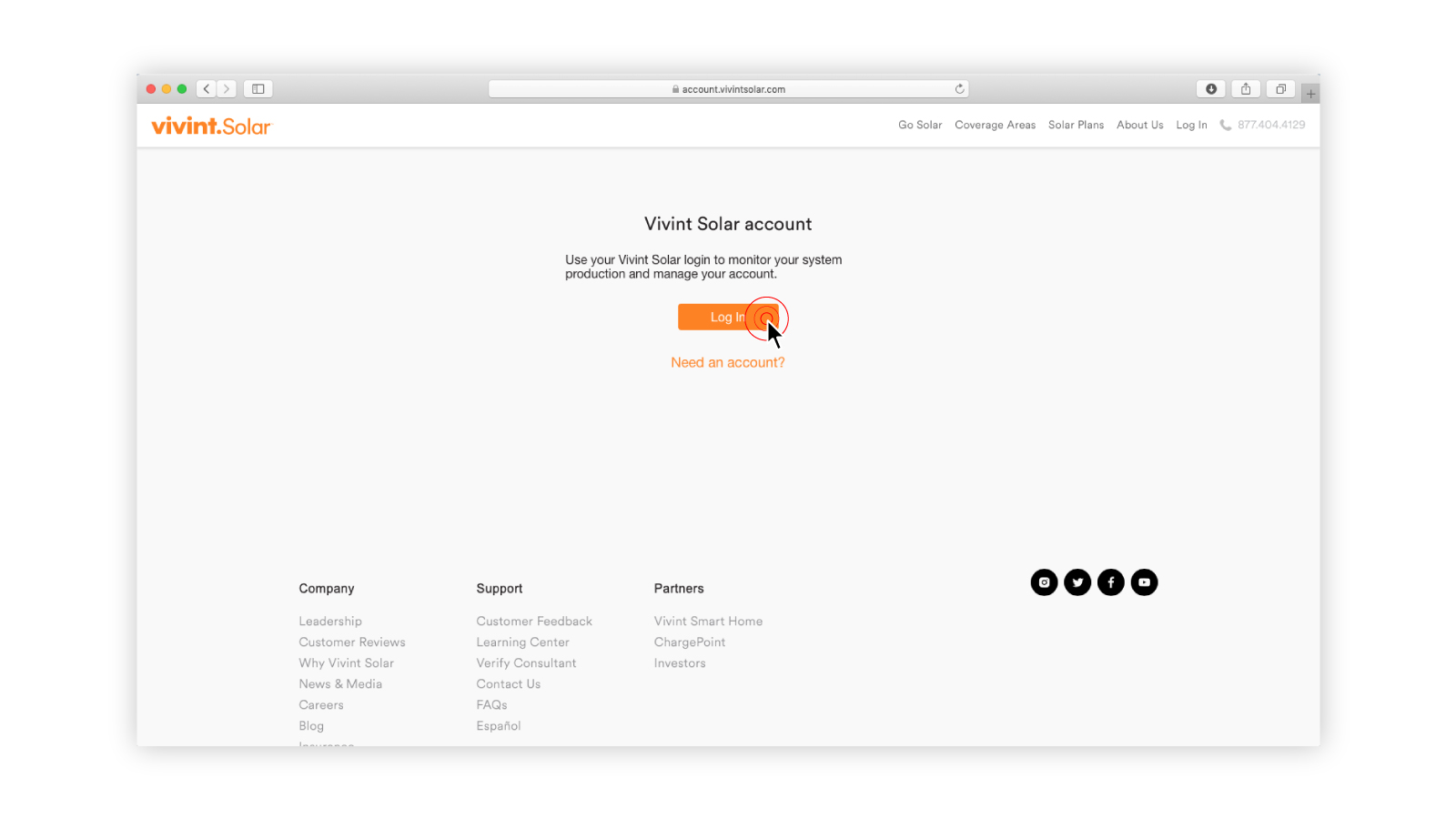
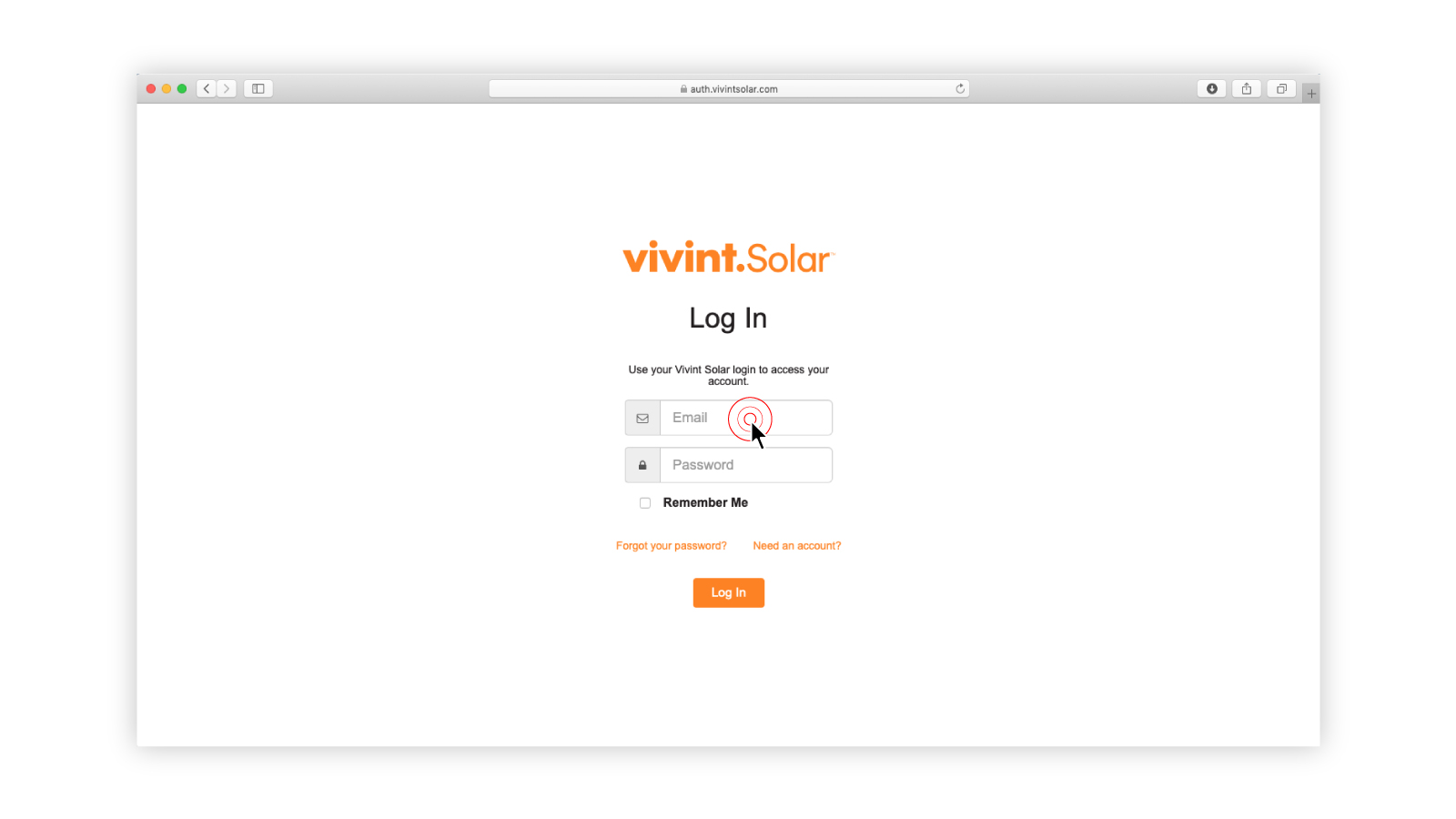
- Login to your account
- Click “Documents”
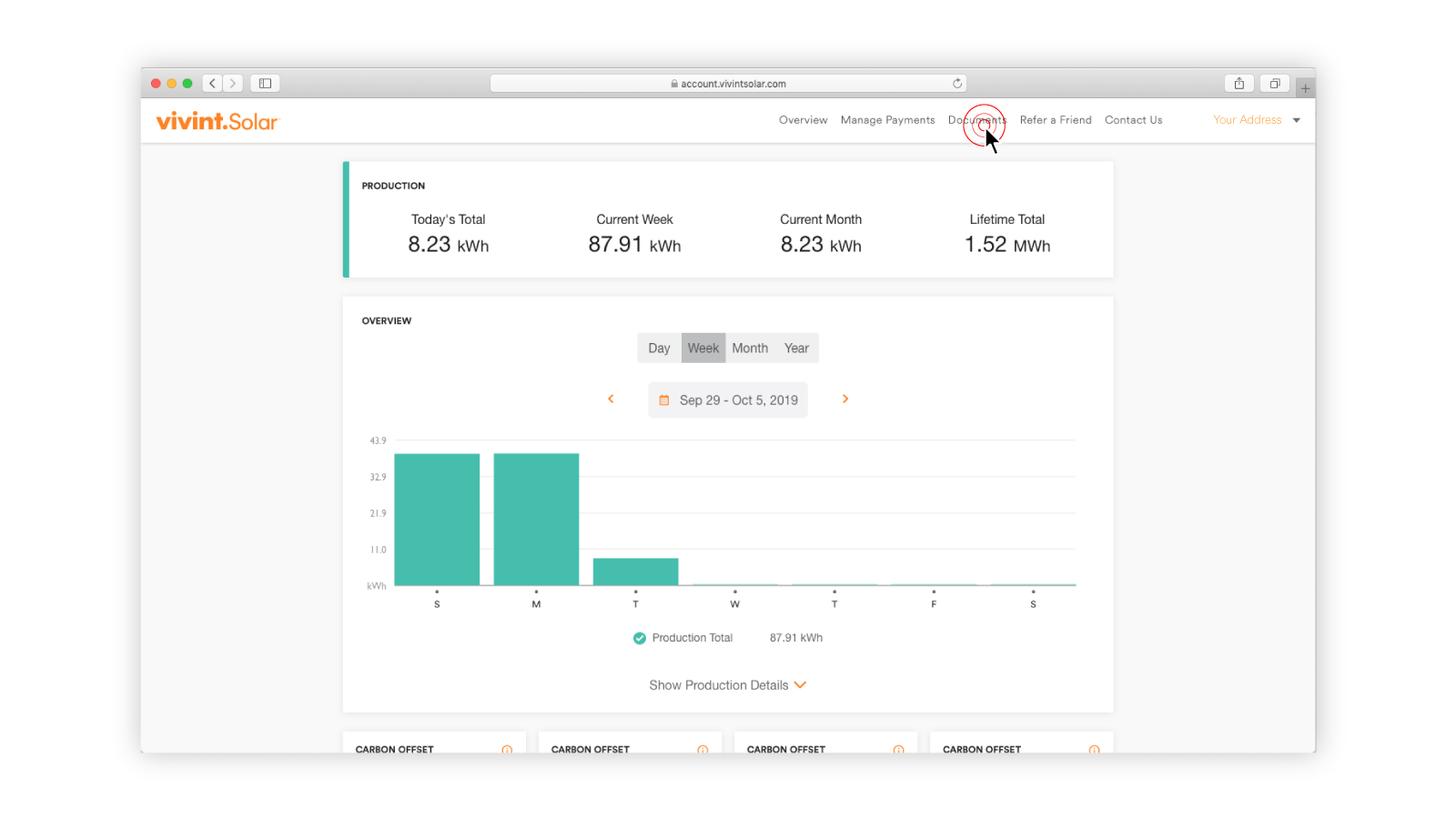
- Click “Agreement”
- Look at the top of your agreement. That’s where you’ll see which type of agreement you signed.
For more information, check out "Accessing and using Account Center" or "Downloading and using the Vivint Solar App".
Now that we know which agreement you have, let's look at each agreement, so you have a clearer idea of how they work. Again, if you already know how your agreement works, you can just skip this part.
Keep in mind that agreement options are based on the area in which you live. You may live in an area where we can offer you a lot of agreement options, or you may live in an area where we can only offer you one agreement option. For a breakdown of the agreements offered in your area, check out Solar Across the Country.
Here’s a quick breakdown of the different agreement types and how they work.
Solar Purchase
Purchase your solar panels and see immediate monthly savings on your power bill
System Owner: You
- No monthly payment to Vivint Solar
- Maintenance options available
- Product & workmanship warranty**
- Benefit from tax credits and incentives
Solar Loan
Finance your solar purchase with an affordable monthly payment
System Owner: You
- Low monthly payment to financing partner
- Maintenance options available
- Product & workmanship warranty**
- No upfront cost, benefit from tax credits and incentives
Solar PPA
Go solar for no upfront cost and only pay for the power you produce
System Owner: Vivint Solar
- Low monthly payment to Vivint Solar
- Maintenance included
- Product & workmanship warranty**
- No upfront cost, potential to save on your utility rate
Solar Lease
Lease solar panels for no money down and get guaranteed† solar production
System Owner: Vivint Solar
- Low monthly payment to Vivint Solar
- Maintenance included
- Product & workmanship warranty**
- No upfront cost, potential to save on your utility rate
Understand the differences between energy production and consumption

The primary difference between your solar bill and your utility bill is that your utility bill is based on how much energy you consume, whereas your solar bill is based on how much energy you produce.
In general terms, energy consumption is the amount of energy you use or “consume” in your day-to-day life whereas energy production is the amount of power your Vivint Solar system produces.
Check your solar energy system to ensure that it’s properly connected

Log in to Account Center or the Vivint Solar App for Apple or Android and monitor your solar energy production. If you’re able to see solar energy production, compare it against your utility bill to see how much you’re paying Vivint Solar versus how much you’re paying to your utility company. Again, if you’re seeing savings, it’s probably an indication that the system is producing enough energy to sustain your household needs.
If you don’t see your solar energy production, it may mean that your system isn’t online. Keep in mind that this doesn’t necessarily mean the system has stopped producing solar energy. It may simply be that the system has stopped communicating the energy production to us. To check on the status of your Vivint Solar system, follow the instructions in "Troubleshooting my Vivint Solar system (my system is not producing)”.

Once you can see your solar energy production online, make sure to give your utility company some time to track the system production and account for it on your utility bill. Again, if you start to see the balance on your utility bill go down, it probably means that the solar energy system is producing enough energy to support your needs.
Contact us for a savings analysis
Still not convinced about the benefits of solar? Let’s see if we can help you with that. If your account has been active for more than a year, we can perform something called a soft savings analysis to help you see how much you may be saving with solar. Contact Us to request an analysis of your solar energy system.

How Much Do Solar Panels Save on Electricity Bills?
People always talk about how solar panels are so great, but why is that? For example, how much do solar panels really save people on their electricity bills?